Beat the Heat: 7 Smart Ways to Boat Better This July

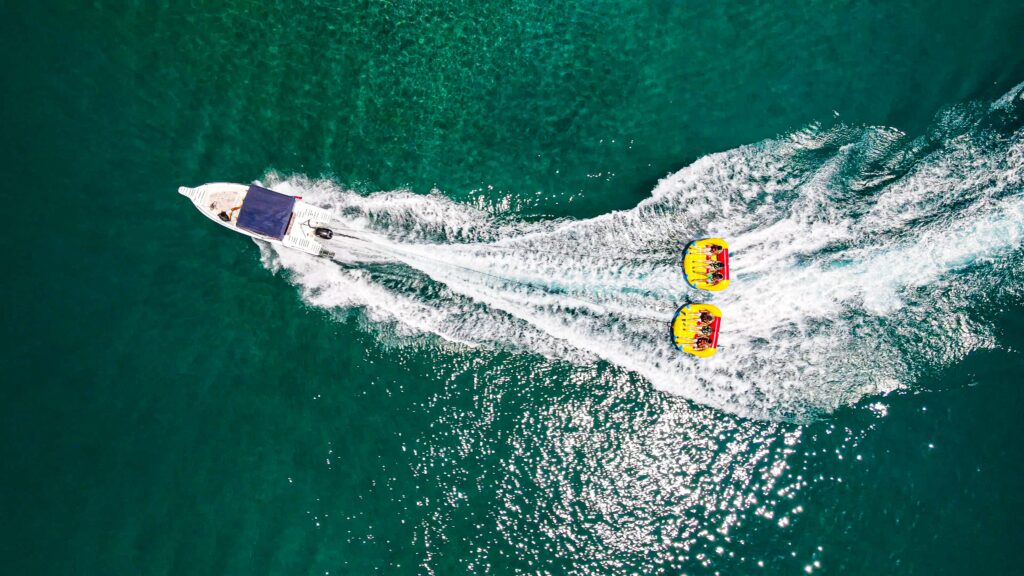
July is boating season at its best. The days are long, the water is warm, and marinas, lakes, rivers, and coastal waterways are alive with families, anglers, wake sports enthusiasts, and cruisers making the most of summer.
It is also one of the busiest months of the year on the water. More boats, more inexperienced operators, and more afternoon storms mean July is the perfect time to sharpen your boating habits. A few simple decisions can make the difference between an unforgettable day and an avoidable emergency.
Here are seven ways to make every July boating trip safer and more enjoyable.
1. Get an Early Start
If you’ve ever launched at noon on a July Saturday, you know what comes next: crowded ramps, busy waterways, and the hottest part of the day.
Launching earlier gives you calmer water, cooler temperatures, and fewer boats competing for space. You’ll often enjoy better visibility, smoother conditions, and more time to relax before the afternoon rush begins.
2. Keep an Eye on Summer Weather
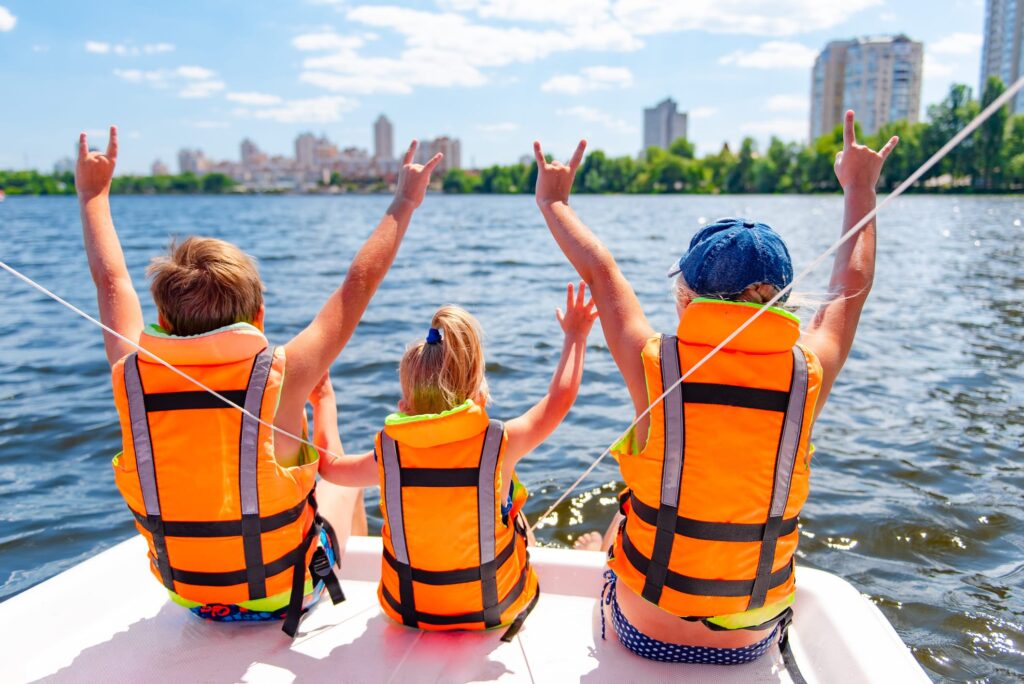
July weather can change quickly. Clear blue skies can give way to thunderstorms with little warning, especially during the afternoon. Strong winds, lightning, and reduced visibility can turn a pleasant outing into a dangerous situation.
Check the marine forecast before leaving the dock and continue monitoring weather throughout the day. If dark clouds begin building, don’t wait to head for shelter. The safest decision is often the earliest one.
To better understand weather, voyage planning, and float plans, Boating Safety Made Easy is an excellent reference that every boater should keep aboard.
https://americanboating.com/store/textbooks/boating-safety-made-easy/
3. Hydration Is Safety Equipment
Most people remember sunscreen but forget about hydration.
The combination of sun reflecting off the water, warm temperatures, and wind can dehydrate you much faster than you realize. Bring more water than you think you’ll need and encourage everyone aboard to drink regularly, even if they don’t feel thirsty.
Fatigue and dehydration can affect judgment just as much as a long day on land.
4. Wear the Life Jacket
Modern life jackets are lightweight, comfortable, and designed for a wide variety of boating activities.
The U.S. Coast Guard continues to report that the overwhelming majority of drowning victims in recreational boating accidents were not wearing life jackets. Wearing one is one of the simplest and most effective safety decisions you can make.
5. Slow Down Around Other Boaters
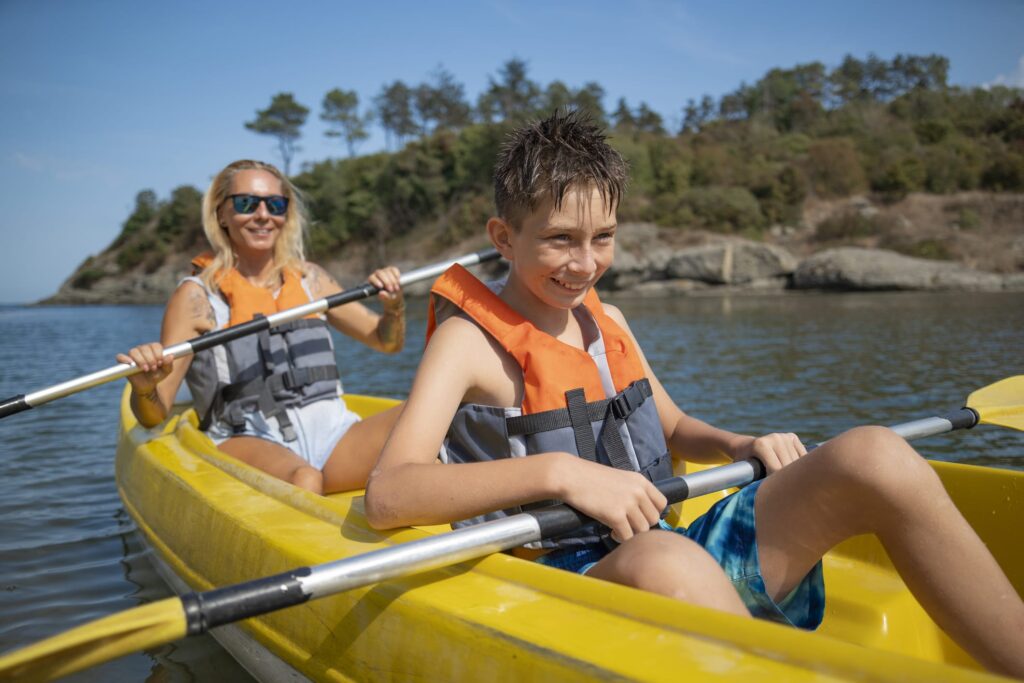
July means crowded anchorages, paddleboarders, kayakers, swimmers, and families enjoying the water together.
Maintain a proper lookout, operate at safe speeds, and minimize your wake around docks and smaller vessels. Courtesy isn’t just good etiquette. It helps everyone enjoy a safer day on the water.
6. Have a Float Plan
Before leaving the dock, let someone know where you’re going, who is aboard, and when you expect to return.
If something unexpected happens, this simple habit can dramatically speed up assistance if it’s ever needed. Developing the habit of trip planning is one of the many practical skills covered in Powerboating Made Easy, the official textbook for American Boating’s AB 101 certification.
7. Invest in Your Skills
Every season brings new experiences and new challenges. Whether you’ve been boating for one year or twenty, there is always something new to learn.
Taking a boating education course builds confidence, improves decision-making, and prepares you for situations you hope you’ll never encounter. The more you know, the more enjoyable every day on the water becomes.
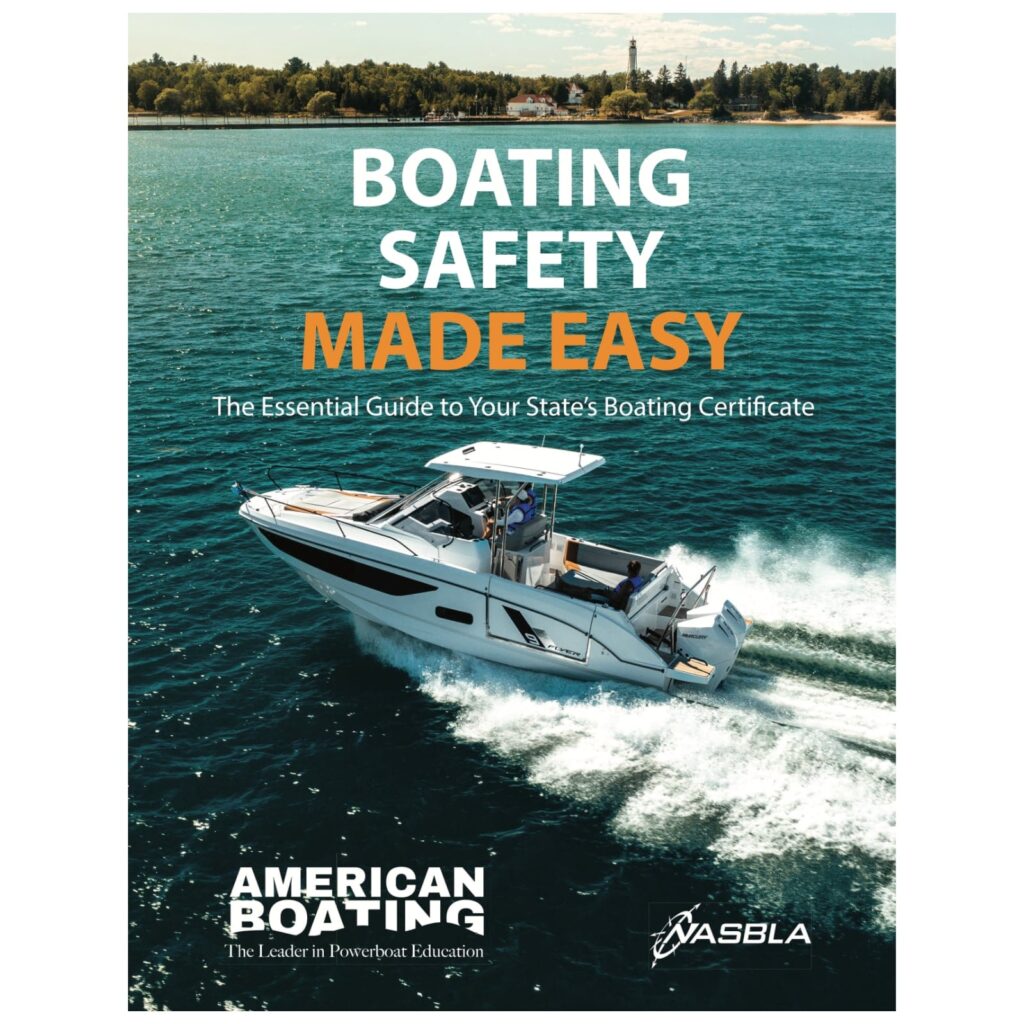
Whether you’re just getting started or looking to sharpen your seamanship, Boating Safety Made Easy is an outstanding companion guide for reviewing safety principles before every season, and it can help you prepare to earn your state boater card.
Make This Your Best Summer Yet
July offers some of the finest boating opportunities of the year. By planning ahead, respecting the weather, looking out for fellow boaters, and continuing your boating education, you’ll spend less time worrying and more time making memories.
The best captains aren’t the ones who never face challenges. They’re the ones who are prepared before those challenges ever arrive. A little preparation today means many more great days on the water tomorrow.